Chikungunya Vaccine in Liverpool | Private Travel Clinic
If your itinerary includes India, Brazil or the Caribbean, get chikungunya vaccine advice and booking at a private travel clinic on Myrtle St, Liverpool.
4.3 average rating
Trusted by 200+ patients
Google Customer Reviews
Chikungunya Vaccine in Liverpool | Private Travel Clinic
If your itinerary includes India, Brazil or the Caribbean, get chikungunya vaccine advice and booking at a private travel clinic on Myrtle St, Liverpool.
4.3 average rating
Trusted by 200+ patients
Google Customer Reviews
Planning around chikungunya risk
Chikungunya has become a more practical pre-travel question for people visiting parts of Asia, Africa, the Caribbean and South America, especially during outbreaks. At Liverpool Clinic, we assess your route, timing and medical background before advising whether the chikungunya vaccine fits your trip. This page explains what the infection does, how the jab is used, and when booking before travel makes sense.
Chikungunya has become a more practical pre-travel question for people visiting parts of Asia, Africa, the Caribbean and South America, especially during outbreaks. At Liverpool Clinic, we assess your route, timing and medical background before advising whether the chikungunya vaccine fits your trip. This page explains what the infection does, how the jab is used, and when booking before travel makes sense.
Chikungunya has become a more practical pre-travel question for people visiting parts of Asia, Africa, the Caribbean and South America, especially during outbreaks. At Liverpool Clinic, we assess your route, timing and medical background before advising whether the chikungunya vaccine fits your trip. This page explains what the infection does, how the jab is used, and when booking before travel makes sense.
A daytime mosquito virus that can leave joints painful for months
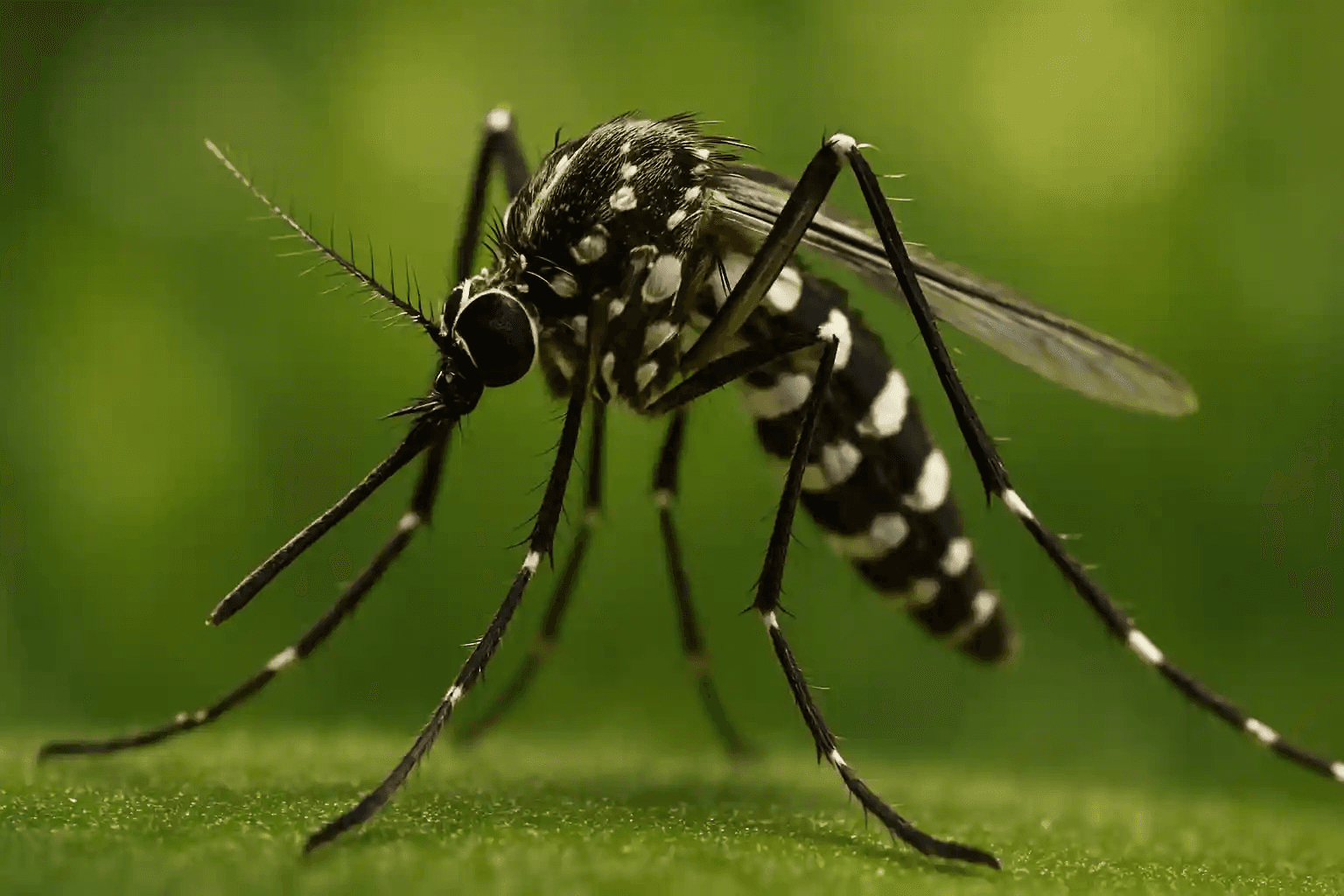
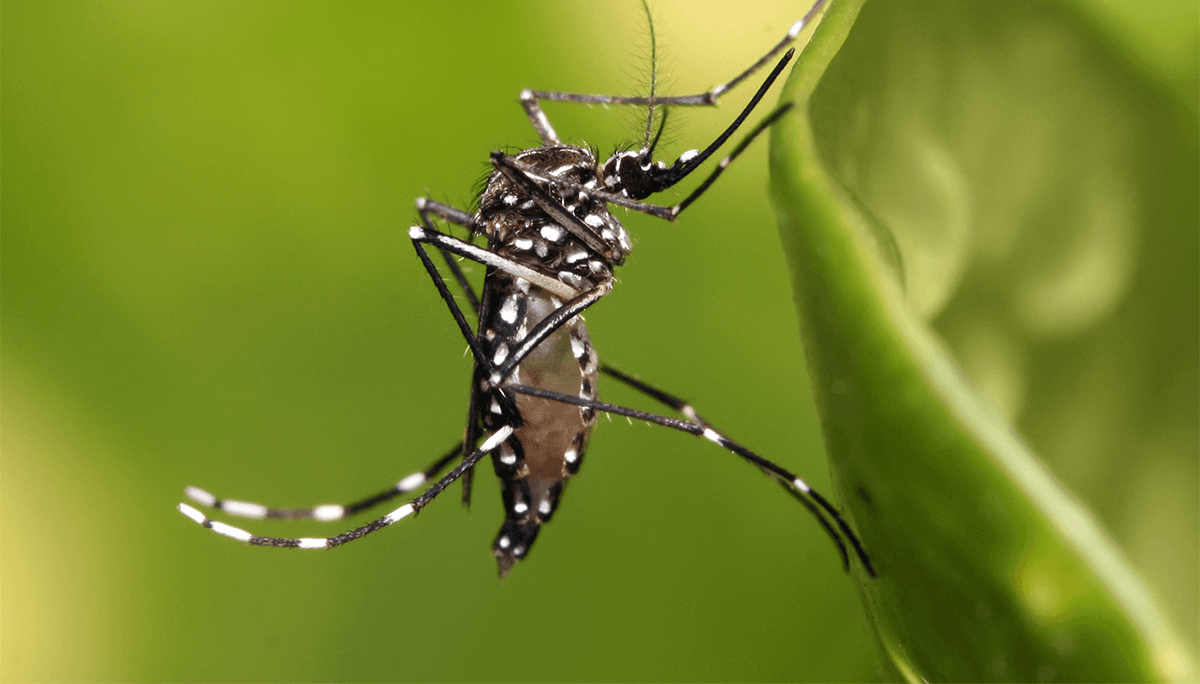
Chikungunya is a viral infection spread mainly by Aedes mosquitoes. They are not just night-time biters; they are often active in the daytime, with busy biting periods around mid-morning and late afternoon. That catches travellers out, because many people only think about mosquito precautions after sunset. Symptoms usually start a few days after an infected bite. Fever, headache, rash, muscle pain and severe joint pain are typical. The name chikungunya comes from a word describing the bent-over posture caused by joint pain, which gives you a clue about the illness. Most people recover within one to two weeks, but joint pain can drag on for months, and in some cases much longer. Serious complications are uncommon, but they do occur. Older adults, young babies and people with underlying medical conditions can be at higher risk from severe illness. There is no specific antiviral treatment, so prevention relies on mosquito bite avoidance and, for selected travellers, vaccination.
Chikungunya is a viral infection spread mainly by Aedes mosquitoes. They are not just night-time biters; they are often active in the daytime, with busy biting periods around mid-morning and late afternoon. That catches travellers out, because many people only think about mosquito precautions after sunset. Symptoms usually start a few days after an infected bite. Fever, headache, rash, muscle pain and severe joint pain are typical. The name chikungunya comes from a word describing the bent-over posture caused by joint pain, which gives you a clue about the illness. Most people recover within one to two weeks, but joint pain can drag on for months, and in some cases much longer. Serious complications are uncommon, but they do occur. Older adults, young babies and people with underlying medical conditions can be at higher risk from severe illness. There is no specific antiviral treatment, so prevention relies on mosquito bite avoidance and, for selected travellers, vaccination.
Chikungunya is a viral infection spread mainly by Aedes mosquitoes. They are not just night-time biters; they are often active in the daytime, with busy biting periods around mid-morning and late afternoon. That catches travellers out, because many people only think about mosquito precautions after sunset. Symptoms usually start a few days after an infected bite. Fever, headache, rash, muscle pain and severe joint pain are typical. The name chikungunya comes from a word describing the bent-over posture caused by joint pain, which gives you a clue about the illness. Most people recover within one to two weeks, but joint pain can drag on for months, and in some cases much longer. Serious complications are uncommon, but they do occur. Older adults, young babies and people with underlying medical conditions can be at higher risk from severe illness. There is no specific antiviral treatment, so prevention relies on mosquito bite avoidance and, for selected travellers, vaccination.
What the chikungunya vaccine can and cannot do
Chikungunya vaccination is used to lower the risk of infection in people travelling to places where the virus is circulating or has caused recent outbreaks. It does not replace bite precautions. Long sleeves, insect repellent, treated clothing and sensible accommodation choices still matter, because the same mosquitoes can also spread infections such as dengue and Zika. Two chikungunya vaccines have been approved for use in the UK. One is a live vaccine licensed for adults in a defined age range. The other is a non-replicating virus-like particle vaccine licensed from adolescence onwards. Both are given as a single injection into the muscle. The need for a further dose later has not yet been established. Suitability is checked individually. A live vaccine may not be appropriate for some people, including those with significant immune suppression, and pregnancy, breastfeeding, age, previous reactions and current illness all need a proper conversation. These vaccines are also relatively new in UK practice, so safety monitoring is ongoing. Common vaccine-type reactions can include a sore arm, tiredness, headache, feverishness or muscle aches, but we will talk through what to expect before vaccinating.
Chikungunya vaccination is used to lower the risk of infection in people travelling to places where the virus is circulating or has caused recent outbreaks. It does not replace bite precautions. Long sleeves, insect repellent, treated clothing and sensible accommodation choices still matter, because the same mosquitoes can also spread infections such as dengue and Zika. Two chikungunya vaccines have been approved for use in the UK. One is a live vaccine licensed for adults in a defined age range. The other is a non-replicating virus-like particle vaccine licensed from adolescence onwards. Both are given as a single injection into the muscle. The need for a further dose later has not yet been established. Suitability is checked individually. A live vaccine may not be appropriate for some people, including those with significant immune suppression, and pregnancy, breastfeeding, age, previous reactions and current illness all need a proper conversation. These vaccines are also relatively new in UK practice, so safety monitoring is ongoing. Common vaccine-type reactions can include a sore arm, tiredness, headache, feverishness or muscle aches, but we will talk through what to expect before vaccinating.
Chikungunya vaccination is used to lower the risk of infection in people travelling to places where the virus is circulating or has caused recent outbreaks. It does not replace bite precautions. Long sleeves, insect repellent, treated clothing and sensible accommodation choices still matter, because the same mosquitoes can also spread infections such as dengue and Zika. Two chikungunya vaccines have been approved for use in the UK. One is a live vaccine licensed for adults in a defined age range. The other is a non-replicating virus-like particle vaccine licensed from adolescence onwards. Both are given as a single injection into the muscle. The need for a further dose later has not yet been established. Suitability is checked individually. A live vaccine may not be appropriate for some people, including those with significant immune suppression, and pregnancy, breastfeeding, age, previous reactions and current illness all need a proper conversation. These vaccines are also relatively new in UK practice, so safety monitoring is ongoing. Common vaccine-type reactions can include a sore arm, tiredness, headache, feverishness or muscle aches, but we will talk through what to expect before vaccinating.
Trips where chikungunya is more likely to come up
Chikungunya risk is not limited to one continent. Recent and past outbreaks have affected India and other parts of South Asia, Indian Ocean islands, the Caribbean, Central and South America, parts of Africa and Pacific islands. UK travel-associated cases have often followed travel to India, with cases also linked to Pakistan and Brazil. The vaccine is most likely to be considered if you are travelling to an area with an active outbreak, staying for a longer period, making repeated visits, or spending time in places with heavy mosquito exposure. Rainy seasons can increase risk in many tropical settings, but outbreak reports and local conditions matter. A two-week hotel stay and a six-month family visit are not the same clinical question.
Chikungunya risk is not limited to one continent. Recent and past outbreaks have affected India and other parts of South Asia, Indian Ocean islands, the Caribbean, Central and South America, parts of Africa and Pacific islands. UK travel-associated cases have often followed travel to India, with cases also linked to Pakistan and Brazil. The vaccine is most likely to be considered if you are travelling to an area with an active outbreak, staying for a longer period, making repeated visits, or spending time in places with heavy mosquito exposure. Rainy seasons can increase risk in many tropical settings, but outbreak reports and local conditions matter. A two-week hotel stay and a six-month family visit are not the same clinical question.
Chikungunya risk is not limited to one continent. Recent and past outbreaks have affected India and other parts of South Asia, Indian Ocean islands, the Caribbean, Central and South America, parts of Africa and Pacific islands. UK travel-associated cases have often followed travel to India, with cases also linked to Pakistan and Brazil. The vaccine is most likely to be considered if you are travelling to an area with an active outbreak, staying for a longer period, making repeated visits, or spending time in places with heavy mosquito exposure. Rainy seasons can increase risk in many tropical settings, but outbreak reports and local conditions matter. A two-week hotel stay and a six-month family visit are not the same clinical question.
Book once your route is firm
Bring your destination list, dates, accommodation style and any medical history to the appointment. We can check whether chikungunya vaccination is relevant alongside your other travel vaccines, including hepatitis A, typhoid, rabies or yellow fever where appropriate. Liverpool Clinic is on Myrtle St, convenient for patients coming from Liverpool City Centre or Sefton Park. Book your travel vaccination appointment ahead of departure, ideally several weeks before you fly, or call 0151 7097796 if you need a timing check.
Bring your destination list, dates, accommodation style and any medical history to the appointment. We can check whether chikungunya vaccination is relevant alongside your other travel vaccines, including hepatitis A, typhoid, rabies or yellow fever where appropriate. Liverpool Clinic is on Myrtle St, convenient for patients coming from Liverpool City Centre or Sefton Park. Book your travel vaccination appointment ahead of departure, ideally several weeks before you fly, or call 0151 7097796 if you need a timing check.
Bring your destination list, dates, accommodation style and any medical history to the appointment. We can check whether chikungunya vaccination is relevant alongside your other travel vaccines, including hepatitis A, typhoid, rabies or yellow fever where appropriate. Liverpool Clinic is on Myrtle St, convenient for patients coming from Liverpool City Centre or Sefton Park. Book your travel vaccination appointment ahead of departure, ideally several weeks before you fly, or call 0151 7097796 if you need a timing check.
FAQ
Frequently Asked Questions
How long before travel should I get the chikungunya vaccine?
The vaccine is given as a single injection, but you should still book early. Aim for 4 to 6 weeks before travel where possible, because you may need other travel vaccines, malaria advice or time for a clinical suitability check. If you are leaving sooner, still ask; a late appointment may be better than no assessment.
Do I need the chikungunya vaccine for India?
Can children have the chikungunya vaccine?
Is the chikungunya vaccine suitable if I am pregnant or immunosuppressed?
Can I get chikungunya vaccination at the same appointment as other travel jabs?
How long before travel should I get the chikungunya vaccine?
The vaccine is given as a single injection, but you should still book early. Aim for 4 to 6 weeks before travel where possible, because you may need other travel vaccines, malaria advice or time for a clinical suitability check. If you are leaving sooner, still ask; a late appointment may be better than no assessment.
Do I need the chikungunya vaccine for India?
Can children have the chikungunya vaccine?
Is the chikungunya vaccine suitable if I am pregnant or immunosuppressed?
Can I get chikungunya vaccination at the same appointment as other travel jabs?
Liverpool Clinic
Liverpool's Leading Travel Vaccination Pharmacy.
37 Myrtle Street
Liverpool
L7 7AJ
0151 542 5420
Vaccines
Location - Opening Hours
• Monday - Friday 9am to 6pm Saturday 9am - 12pm
2026 Liverpool Clinic
Cookie Settings
Liverpool Clinic
Liverpool's Leading Travel Vaccination Pharmacy.
37 Myrtle Street
Liverpool
L7 7AJ
0151 542 5420
Vaccines
Location - Opening Hours
• Monday - Friday 9am to 6pm Saturday 9am - 12pm
2026 Liverpool Clinic
Cookie Settings
Liverpool Clinic
Liverpool's Leading Travel Vaccination Pharmacy.
37 Myrtle Street
Liverpool
L7 7AJ
0151 542 5420
Vaccines
Location - Opening Hours
• Monday - Friday 9am to 6pm Saturday 9am - 12pm
2026 Liverpool Clinic
Cookie Settings
