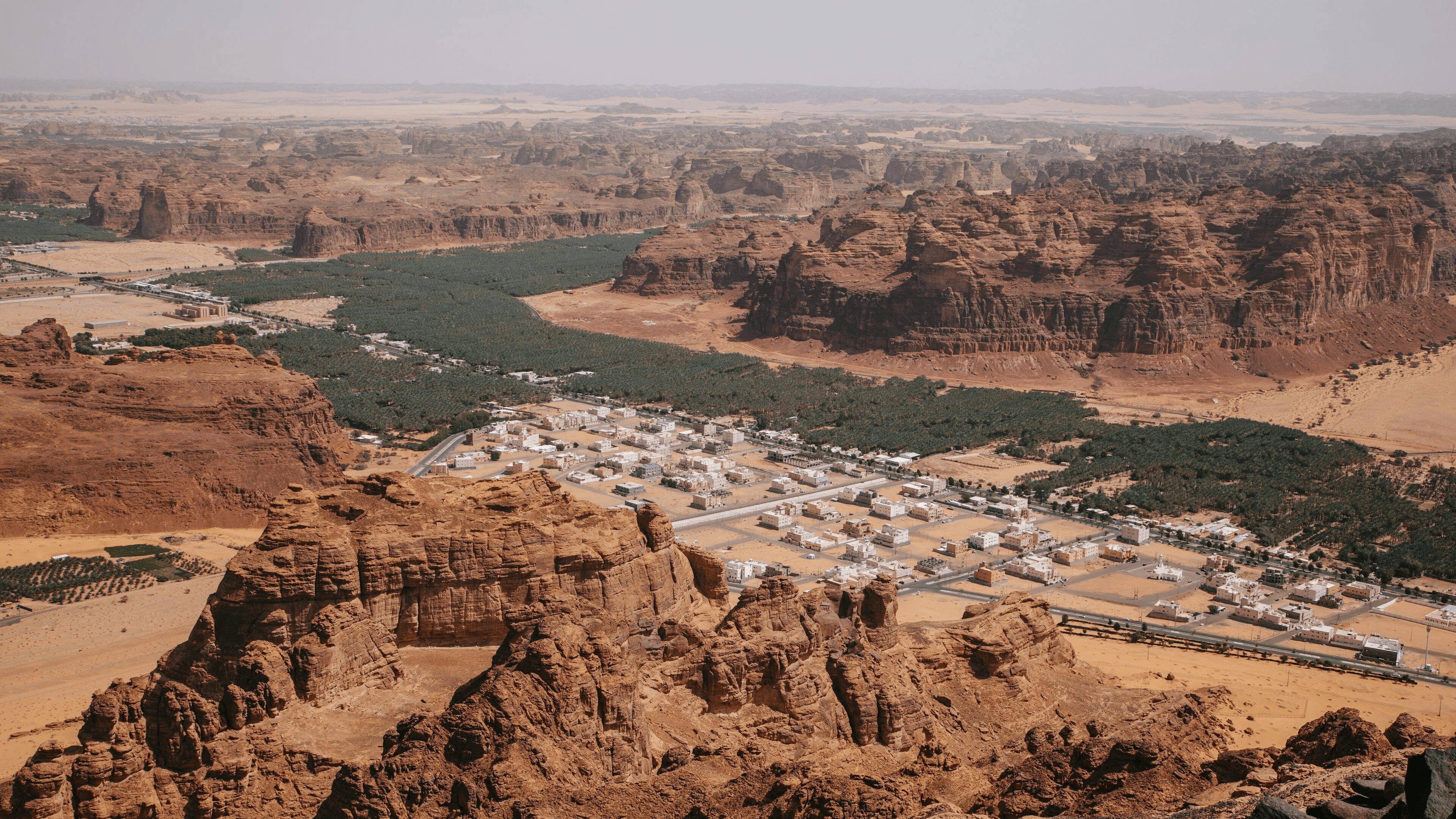
Travel vaccinations & weight management in Liverpool
Chemist Cares runs a private, pharmacist-led travel and weight loss clinic at liverpoolclinic.co.uk. Clear, practical advice from GPhC-registered pharmacists on Myrtle Street.
4.3 average rating
Trusted by 200+ patients
Google Customer Reviews
Travel vaccinations & weight management in Liverpool
Chemist Cares runs a private, pharmacist-led travel and weight loss clinic at liverpoolclinic.co.uk. Clear, practical advice from GPhC-registered pharmacists on Myrtle Street.
4.3 average rating
Trusted by 200+ patients
Google Customer Reviews
India needs a route-based health check
For India, the travel health conversation usually starts with route and length of stay. A week in Mumbai or Goa is a different risk profile from a month visiting family across rural districts, working in healthcare, or heading north after the monsoon. At Liverpool Clinic in Liverpool, we talk through that detail before recommending vaccines or malaria prevention. This page gives you the practical outline: common jabs, mosquito-borne illness, food and water risk, rabies, altitude, and when to book your appointment.
For India, the travel health conversation usually starts with route and length of stay. A week in Mumbai or Goa is a different risk profile from a month visiting family across rural districts, working in healthcare, or heading north after the monsoon. At Liverpool Clinic in Liverpool, we talk through that detail before recommending vaccines or malaria prevention. This page gives you the practical outline: common jabs, mosquito-borne illness, food and water risk, rabies, altitude, and when to book your appointment.
For India, the travel health conversation usually starts with route and length of stay. A week in Mumbai or Goa is a different risk profile from a month visiting family across rural districts, working in healthcare, or heading north after the monsoon. At Liverpool Clinic in Liverpool, we talk through that detail before recommending vaccines or malaria prevention. This page gives you the practical outline: common jabs, mosquito-borne illness, food and water risk, rabies, altitude, and when to book your appointment.
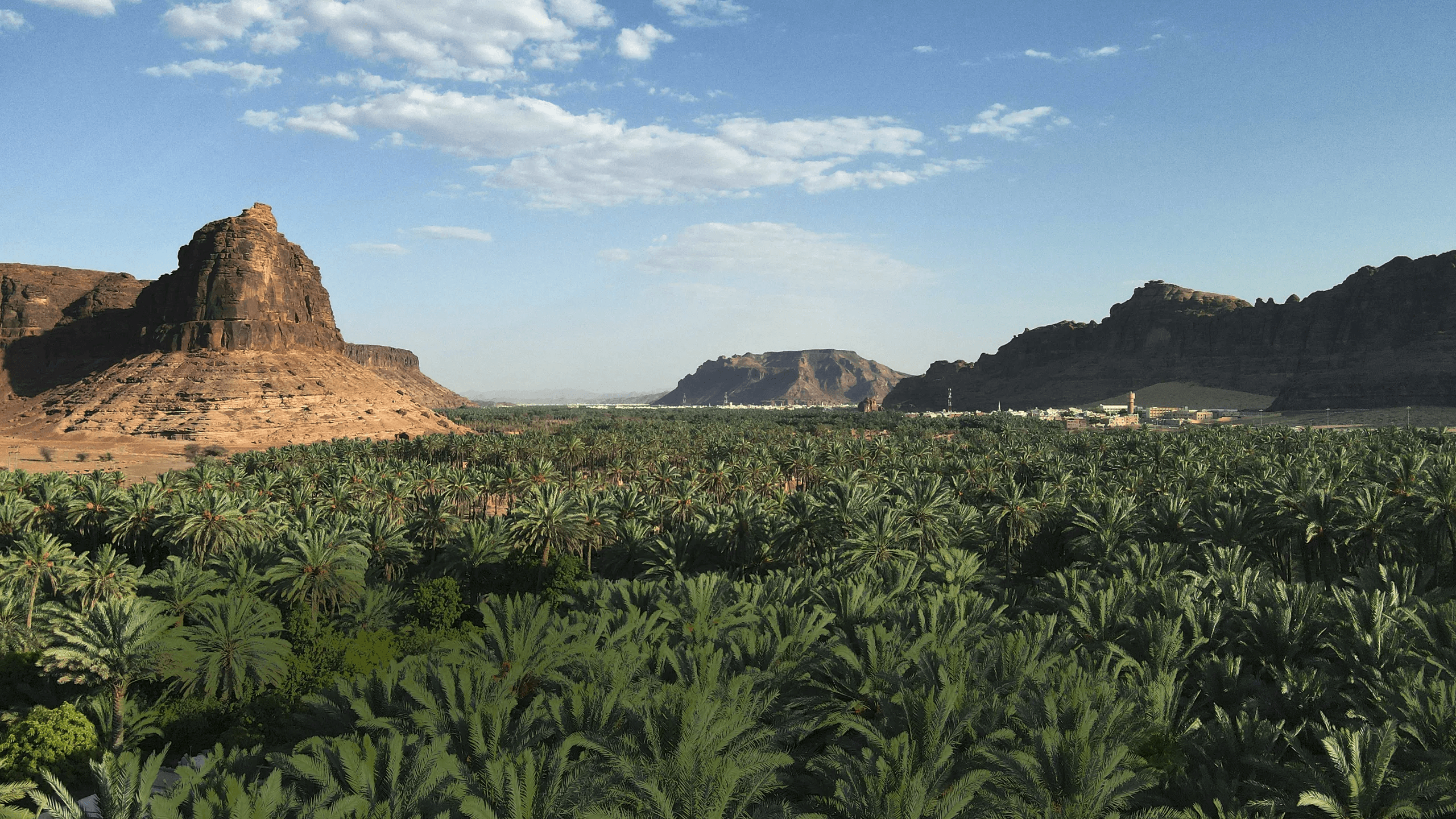
Several kinds of trip can sit inside one India itinerary
People travel to India for family visits, weddings, business, study, religious trips, volunteering, trekking, yoga retreats, medical work and long rail or road journeys between states. That mix matters clinically. A short hotel-based stay in Delhi, Mumbai, Bengaluru or Goa usually raises different questions from a six-week family visit with home stays, local food, children mixing closely with relatives, and travel into smaller towns. Northern mountain routes add altitude to the discussion. Rural stays during and after the monsoon can bring more mosquito exposure, especially around rice-growing or wetland areas. City trips are not automatically mosquito-free either, because dengue-carrying mosquitoes often bite during the day in built-up areas. Your plan does not need to be adventurous to deserve a proper travel health review.
People travel to India for family visits, weddings, business, study, religious trips, volunteering, trekking, yoga retreats, medical work and long rail or road journeys between states. That mix matters clinically. A short hotel-based stay in Delhi, Mumbai, Bengaluru or Goa usually raises different questions from a six-week family visit with home stays, local food, children mixing closely with relatives, and travel into smaller towns. Northern mountain routes add altitude to the discussion. Rural stays during and after the monsoon can bring more mosquito exposure, especially around rice-growing or wetland areas. City trips are not automatically mosquito-free either, because dengue-carrying mosquitoes often bite during the day in built-up areas. Your plan does not need to be adventurous to deserve a proper travel health review.
People travel to India for family visits, weddings, business, study, religious trips, volunteering, trekking, yoga retreats, medical work and long rail or road journeys between states. That mix matters clinically. A short hotel-based stay in Delhi, Mumbai, Bengaluru or Goa usually raises different questions from a six-week family visit with home stays, local food, children mixing closely with relatives, and travel into smaller towns. Northern mountain routes add altitude to the discussion. Rural stays during and after the monsoon can bring more mosquito exposure, especially around rice-growing or wetland areas. City trips are not automatically mosquito-free either, because dengue-carrying mosquitoes often bite during the day in built-up areas. Your plan does not need to be adventurous to deserve a proper travel health review.
Daytime mosquitoes, dogs and route-specific malaria
Malaria advice for India is genuinely geographic. Antimalarial tablets are usually advised for higher-risk areas including Assam and Odisha, as well as specified districts in Andhra Pradesh and Madhya Pradesh. Much of the rest of India, including Goa and the Andaman and Nicobar Islands, is classed as low risk, where bite avoidance and symptom awareness are usually the focus. Lakshadweep is listed as no malaria risk. Dengue is a bigger everyday concern for many visitors than they expect. It is spread by mosquitoes that mainly bite during daylight hours and can occur in towns and cities, not only rural places. Chikungunya and Zika are also relevant mosquito-borne infections; pregnancy or plans to conceive should be discussed before travel. Hepatitis A is commonly recommended for previously unvaccinated travellers because food and water exposure is hard to control fully. Typhoid vaccination is also commonly considered, especially for longer stays, family visits, children, frequent travel, or eating in places where hygiene is uncertain. Tetanus should be up to date. Rabies is present in India, including in domestic animals. Children, runners, cyclists, longer-stay travellers and anyone going where urgent treatment may be difficult should discuss pre-travel rabies vaccination. Japanese encephalitis may be relevant for rural stays, particularly around farming areas, wetlands or longer monsoon-season travel. Hepatitis B, MMR, flu and TB-related advice may also come up, depending on age, medical history and planned contact with local communities. India has no yellow fever risk, but a certificate can be required if you arrive soon after travel through a yellow fever risk country.
Malaria advice for India is genuinely geographic. Antimalarial tablets are usually advised for higher-risk areas including Assam and Odisha, as well as specified districts in Andhra Pradesh and Madhya Pradesh. Much of the rest of India, including Goa and the Andaman and Nicobar Islands, is classed as low risk, where bite avoidance and symptom awareness are usually the focus. Lakshadweep is listed as no malaria risk. Dengue is a bigger everyday concern for many visitors than they expect. It is spread by mosquitoes that mainly bite during daylight hours and can occur in towns and cities, not only rural places. Chikungunya and Zika are also relevant mosquito-borne infections; pregnancy or plans to conceive should be discussed before travel. Hepatitis A is commonly recommended for previously unvaccinated travellers because food and water exposure is hard to control fully. Typhoid vaccination is also commonly considered, especially for longer stays, family visits, children, frequent travel, or eating in places where hygiene is uncertain. Tetanus should be up to date. Rabies is present in India, including in domestic animals. Children, runners, cyclists, longer-stay travellers and anyone going where urgent treatment may be difficult should discuss pre-travel rabies vaccination. Japanese encephalitis may be relevant for rural stays, particularly around farming areas, wetlands or longer monsoon-season travel. Hepatitis B, MMR, flu and TB-related advice may also come up, depending on age, medical history and planned contact with local communities. India has no yellow fever risk, but a certificate can be required if you arrive soon after travel through a yellow fever risk country.
Malaria advice for India is genuinely geographic. Antimalarial tablets are usually advised for higher-risk areas including Assam and Odisha, as well as specified districts in Andhra Pradesh and Madhya Pradesh. Much of the rest of India, including Goa and the Andaman and Nicobar Islands, is classed as low risk, where bite avoidance and symptom awareness are usually the focus. Lakshadweep is listed as no malaria risk. Dengue is a bigger everyday concern for many visitors than they expect. It is spread by mosquitoes that mainly bite during daylight hours and can occur in towns and cities, not only rural places. Chikungunya and Zika are also relevant mosquito-borne infections; pregnancy or plans to conceive should be discussed before travel. Hepatitis A is commonly recommended for previously unvaccinated travellers because food and water exposure is hard to control fully. Typhoid vaccination is also commonly considered, especially for longer stays, family visits, children, frequent travel, or eating in places where hygiene is uncertain. Tetanus should be up to date. Rabies is present in India, including in domestic animals. Children, runners, cyclists, longer-stay travellers and anyone going where urgent treatment may be difficult should discuss pre-travel rabies vaccination. Japanese encephalitis may be relevant for rural stays, particularly around farming areas, wetlands or longer monsoon-season travel. Hepatitis B, MMR, flu and TB-related advice may also come up, depending on age, medical history and planned contact with local communities. India has no yellow fever risk, but a certificate can be required if you arrive soon after travel through a yellow fever risk country.
Give yourself four to six weeks if you can
Book your travel consultation four to six weeks before departure where possible. That gives time to check your UK routine vaccinations, start any multi-dose courses, and decide whether malaria tablets, rabies, Japanese encephalitis or hepatitis B vaccination fit your itinerary. Short notice is still worth an appointment. Some protection and advice can still be arranged close to travel. Bring your route, dates, accommodation style and vaccine history if you have it. Mention family visits, rural stays, trekking, pregnancy, immune problems, previous dengue, and any regular medicines. For India, practical prevention is as important as vaccination. Use effective insect repellent, cover arms and legs when mosquitoes are active, sleep in screened or air-conditioned rooms where possible, choose food that is cooked and served hot, drink sealed or treated water, and avoid ice where hygiene is uncertain. If you are heading to places such as Leh, build in acclimatisation time rather than flying high and pushing on.
Book your travel consultation four to six weeks before departure where possible. That gives time to check your UK routine vaccinations, start any multi-dose courses, and decide whether malaria tablets, rabies, Japanese encephalitis or hepatitis B vaccination fit your itinerary. Short notice is still worth an appointment. Some protection and advice can still be arranged close to travel. Bring your route, dates, accommodation style and vaccine history if you have it. Mention family visits, rural stays, trekking, pregnancy, immune problems, previous dengue, and any regular medicines. For India, practical prevention is as important as vaccination. Use effective insect repellent, cover arms and legs when mosquitoes are active, sleep in screened or air-conditioned rooms where possible, choose food that is cooked and served hot, drink sealed or treated water, and avoid ice where hygiene is uncertain. If you are heading to places such as Leh, build in acclimatisation time rather than flying high and pushing on.
Book your travel consultation four to six weeks before departure where possible. That gives time to check your UK routine vaccinations, start any multi-dose courses, and decide whether malaria tablets, rabies, Japanese encephalitis or hepatitis B vaccination fit your itinerary. Short notice is still worth an appointment. Some protection and advice can still be arranged close to travel. Bring your route, dates, accommodation style and vaccine history if you have it. Mention family visits, rural stays, trekking, pregnancy, immune problems, previous dengue, and any regular medicines. For India, practical prevention is as important as vaccination. Use effective insect repellent, cover arms and legs when mosquitoes are active, sleep in screened or air-conditioned rooms where possible, choose food that is cooked and served hot, drink sealed or treated water, and avoid ice where hygiene is uncertain. If you are heading to places such as Leh, build in acclimatisation time rather than flying high and pushing on.
A local appointment before India
India is worth discussing properly because the advice changes with the route, season, length of stay and who is travelling. If you are based near Sefton Park or Liverpool City Centre, Liverpool Clinic is close by for pharmacist-led travel vaccination advice before your trip. Book an appointment or call 0151 7097796, and bring your itinerary so the consultation can focus on the risks that actually apply to you.
India is worth discussing properly because the advice changes with the route, season, length of stay and who is travelling. If you are based near Sefton Park or Liverpool City Centre, Liverpool Clinic is close by for pharmacist-led travel vaccination advice before your trip. Book an appointment or call 0151 7097796, and bring your itinerary so the consultation can focus on the risks that actually apply to you.
India is worth discussing properly because the advice changes with the route, season, length of stay and who is travelling. If you are based near Sefton Park or Liverpool City Centre, Liverpool Clinic is close by for pharmacist-led travel vaccination advice before your trip. Book an appointment or call 0151 7097796, and bring your itinerary so the consultation can focus on the risks that actually apply to you.
FAQ
Frequently Asked Questions
How soon before travelling to India should I book travel vaccinations?
Aim for four to six weeks before you leave, especially if you may need a course of vaccines or malaria tablets. If you are travelling sooner, still book a consultation. It is often possible to update key vaccines and give practical advice even at short notice.
Which vaccines are usually recommended for India?
Do I need malaria tablets for India?
Is dengue a risk in India?
Should I get a rabies vaccine before going to India?
How soon before travelling to India should I book travel vaccinations?
Aim for four to six weeks before you leave, especially if you may need a course of vaccines or malaria tablets. If you are travelling sooner, still book a consultation. It is often possible to update key vaccines and give practical advice even at short notice.
Which vaccines are usually recommended for India?
Do I need malaria tablets for India?
Is dengue a risk in India?
Should I get a rabies vaccine before going to India?
Liverpool Clinic
Liverpool's Leading Travel Vaccination Pharmacy.
37 Myrtle Street
Liverpool
L7 7AJ
0151 542 5420
Vaccines
Location - Opening Hours
• Monday - Friday 9am to 6pm Saturday 9am - 12pm
2026 Liverpool Clinic
Cookie Settings
Liverpool Clinic
Liverpool's Leading Travel Vaccination Pharmacy.
37 Myrtle Street
Liverpool
L7 7AJ
0151 542 5420
Vaccines
Location - Opening Hours
• Monday - Friday 9am to 6pm Saturday 9am - 12pm
2026 Liverpool Clinic
Cookie Settings
Liverpool Clinic
Liverpool's Leading Travel Vaccination Pharmacy.
37 Myrtle Street
Liverpool
L7 7AJ
0151 542 5420
Vaccines
Location - Opening Hours
• Monday - Friday 9am to 6pm Saturday 9am - 12pm
2026 Liverpool Clinic
Cookie Settings
