Travel vaccinations & weight management in Liverpool
Chemist Cares runs a private, pharmacist-led travel and weight loss clinic at liverpoolclinic.co.uk. Clear, practical advice from GPhC-registered pharmacists on Myrtle Street.
4.3 average rating
Trusted by 200+ patients
Google Customer Reviews
Travel vaccinations & weight management in Liverpool
Chemist Cares runs a private, pharmacist-led travel and weight loss clinic at liverpoolclinic.co.uk. Clear, practical advice from GPhC-registered pharmacists on Myrtle Street.
4.3 average rating
Trusted by 200+ patients
Google Customer Reviews
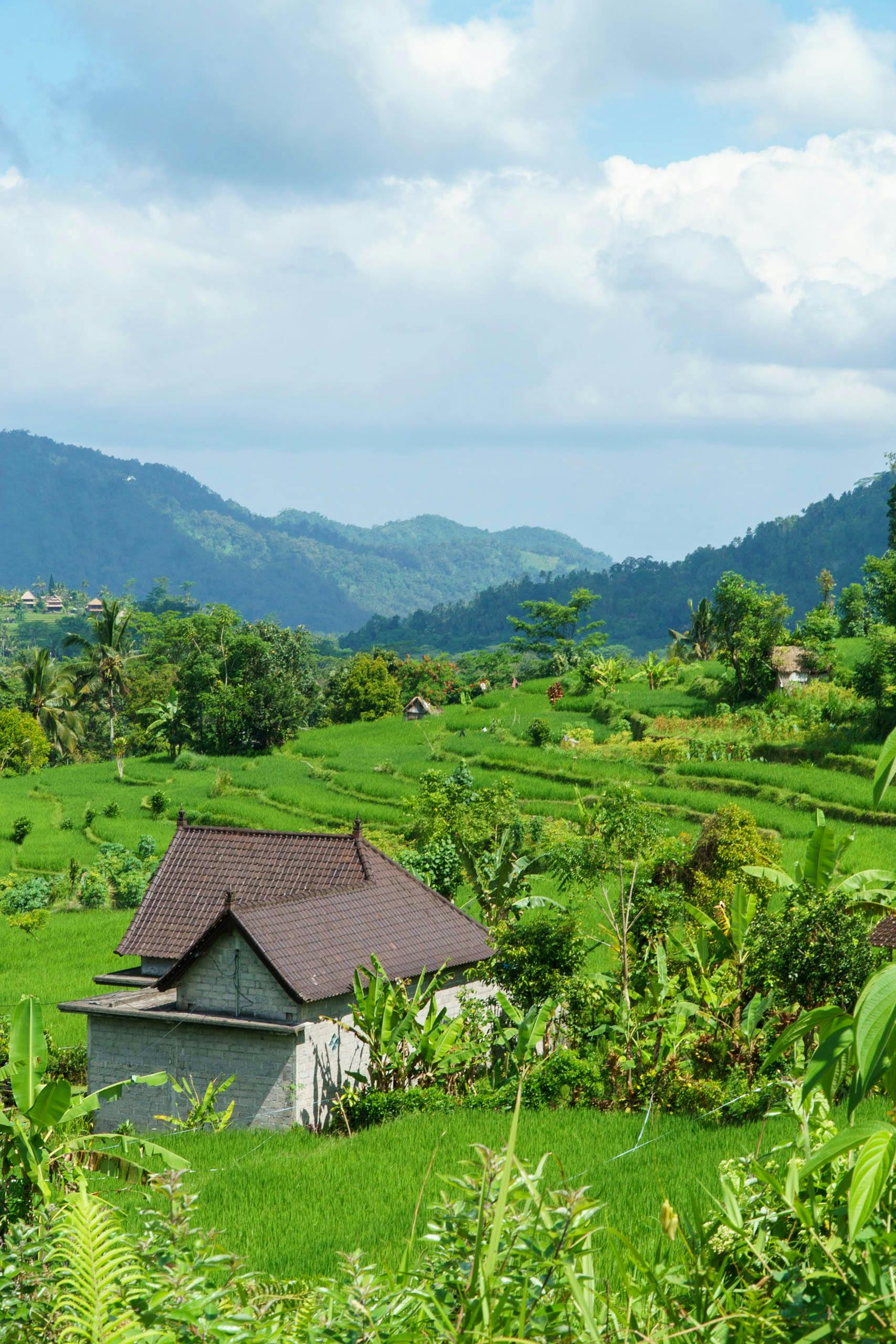
Island-by-island planning matters in Indonesia
For Indonesia, the travel health conversation starts with the map. Bali, Jakarta, rural Java, Lombok, Sumatra and Papua do not carry the same malaria picture, and mosquito-borne infections are not limited to the evening. At Liverpool Clinic, we use your actual route, length of stay and plans on the ground to work out which vaccinations and precautions make sense before you go.
For Indonesia, the travel health conversation starts with the map. Bali, Jakarta, rural Java, Lombok, Sumatra and Papua do not carry the same malaria picture, and mosquito-borne infections are not limited to the evening. At Liverpool Clinic, we use your actual route, length of stay and plans on the ground to work out which vaccinations and precautions make sense before you go.
For Indonesia, the travel health conversation starts with the map. Bali, Jakarta, rural Java, Lombok, Sumatra and Papua do not carry the same malaria picture, and mosquito-borne infections are not limited to the evening. At Liverpool Clinic, we use your actual route, length of stay and plans on the ground to work out which vaccinations and precautions make sense before you go.
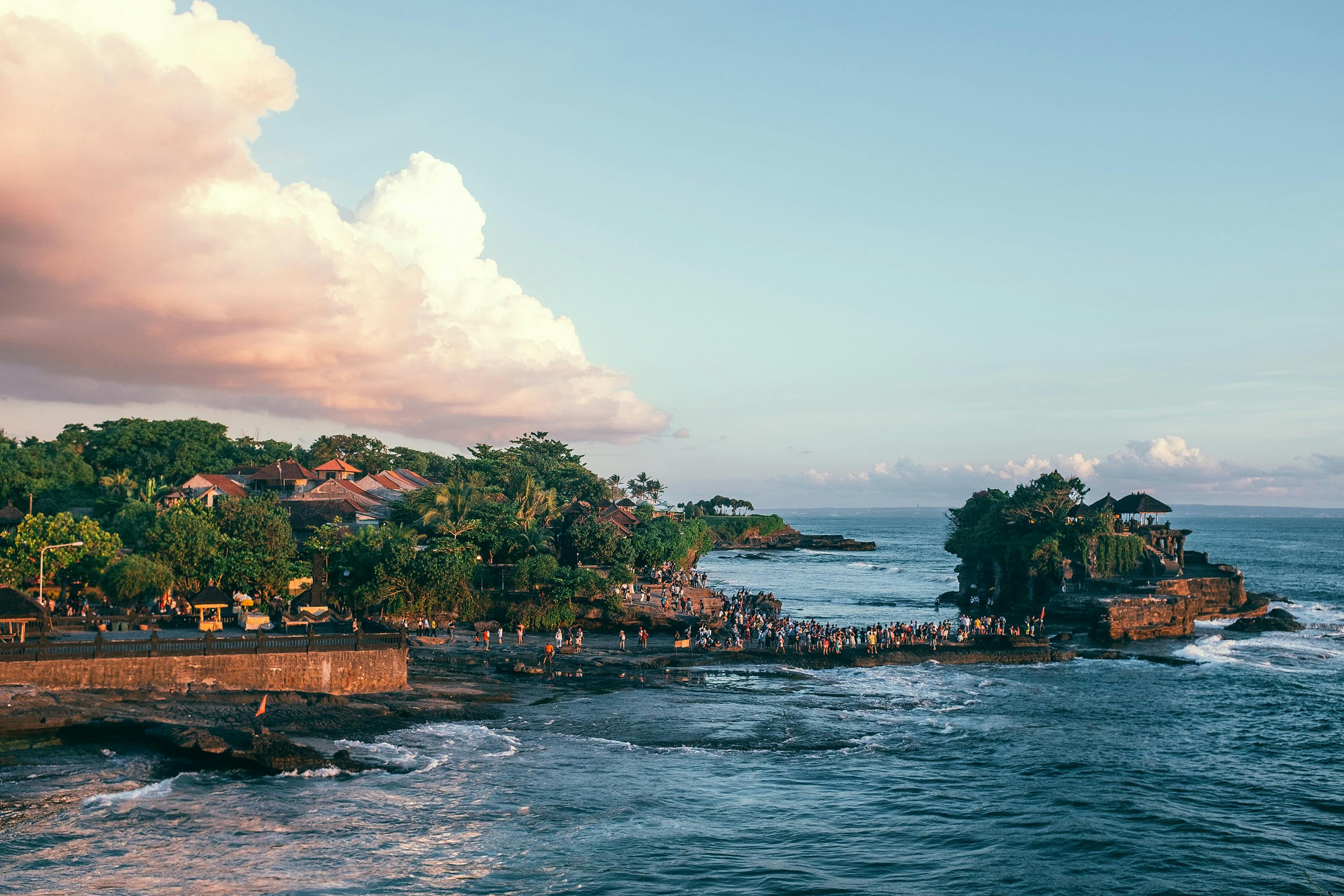
Most Indonesia trips are not medically identical
UK travellers go to Indonesia for very different reasons. Some stay almost entirely in Bali, using private transport and hotel accommodation. Others move between islands, spend time in rural villages, trek on Lombok or Java, dive around smaller islands, visit relatives, volunteer, work offshore, or continue towards Indonesian Borneo and Papua. Those details change the advice. A two-week Bali holiday may mainly involve routine vaccines, food and water precautions, mosquito avoidance and rabies awareness. Longer stays, rural travel, children, pregnancy, medical conditions, animal work, cycling, trekking or time in Papua need a closer look. Indonesia is a destination where the itinerary carries real clinical weight.
UK travellers go to Indonesia for very different reasons. Some stay almost entirely in Bali, using private transport and hotel accommodation. Others move between islands, spend time in rural villages, trek on Lombok or Java, dive around smaller islands, visit relatives, volunteer, work offshore, or continue towards Indonesian Borneo and Papua. Those details change the advice. A two-week Bali holiday may mainly involve routine vaccines, food and water precautions, mosquito avoidance and rabies awareness. Longer stays, rural travel, children, pregnancy, medical conditions, animal work, cycling, trekking or time in Papua need a closer look. Indonesia is a destination where the itinerary carries real clinical weight.
UK travellers go to Indonesia for very different reasons. Some stay almost entirely in Bali, using private transport and hotel accommodation. Others move between islands, spend time in rural villages, trek on Lombok or Java, dive around smaller islands, visit relatives, volunteer, work offshore, or continue towards Indonesian Borneo and Papua. Those details change the advice. A two-week Bali holiday may mainly involve routine vaccines, food and water precautions, mosquito avoidance and rabies awareness. Longer stays, rural travel, children, pregnancy, medical conditions, animal work, cycling, trekking or time in Papua need a closer look. Indonesia is a destination where the itinerary carries real clinical weight.
Malaria is patchy, but mosquito risk is broader than malaria
Malaria advice for Indonesia is strongly regional. Papua, also called Irian Jaya, is treated as a higher-risk area where antimalarial tablets are usually recommended after assessment. Bali, Lombok, Java and Sumatra are generally lower risk, while Jakarta is not considered a malaria risk area. That does not make mosquito precautions optional. Dengue occurs in Indonesia, and the mosquitoes that spread it often bite in the daytime in towns and built-up areas. Zika risk is also recognised, which matters particularly if you are pregnant, travelling with a pregnant partner, or planning pregnancy soon after travel. Chikungunya is another daytime mosquito-borne infection to be aware of. Japanese encephalitis occurs countrywide, with risk linked especially to rural stays, rice-growing areas, pig farming areas, longer trips and repeated travel. Hepatitis A is commonly recommended for previously unvaccinated travellers because it spreads through contaminated food and water. Typhoid is also commonly considered, especially for longer stays, lower-budget travel, rural areas and visiting friends or relatives. Make sure tetanus-containing vaccines are up to date. Hepatitis B may be relevant for longer stays, new sexual partners, medical or dental treatment, contact sports, tattoos or work involving blood exposure. Rabies is present in domestic animals, and children are often at higher risk because they may approach animals or not report a scratch. Schistosomiasis is also reported in Indonesia, so avoid swimming or wading in untreated freshwater. Higher-altitude plans, such as Mount Rinjani or Mount Semeru, need gradual ascent and realistic fitness planning.
Malaria advice for Indonesia is strongly regional. Papua, also called Irian Jaya, is treated as a higher-risk area where antimalarial tablets are usually recommended after assessment. Bali, Lombok, Java and Sumatra are generally lower risk, while Jakarta is not considered a malaria risk area. That does not make mosquito precautions optional. Dengue occurs in Indonesia, and the mosquitoes that spread it often bite in the daytime in towns and built-up areas. Zika risk is also recognised, which matters particularly if you are pregnant, travelling with a pregnant partner, or planning pregnancy soon after travel. Chikungunya is another daytime mosquito-borne infection to be aware of. Japanese encephalitis occurs countrywide, with risk linked especially to rural stays, rice-growing areas, pig farming areas, longer trips and repeated travel. Hepatitis A is commonly recommended for previously unvaccinated travellers because it spreads through contaminated food and water. Typhoid is also commonly considered, especially for longer stays, lower-budget travel, rural areas and visiting friends or relatives. Make sure tetanus-containing vaccines are up to date. Hepatitis B may be relevant for longer stays, new sexual partners, medical or dental treatment, contact sports, tattoos or work involving blood exposure. Rabies is present in domestic animals, and children are often at higher risk because they may approach animals or not report a scratch. Schistosomiasis is also reported in Indonesia, so avoid swimming or wading in untreated freshwater. Higher-altitude plans, such as Mount Rinjani or Mount Semeru, need gradual ascent and realistic fitness planning.
Malaria advice for Indonesia is strongly regional. Papua, also called Irian Jaya, is treated as a higher-risk area where antimalarial tablets are usually recommended after assessment. Bali, Lombok, Java and Sumatra are generally lower risk, while Jakarta is not considered a malaria risk area. That does not make mosquito precautions optional. Dengue occurs in Indonesia, and the mosquitoes that spread it often bite in the daytime in towns and built-up areas. Zika risk is also recognised, which matters particularly if you are pregnant, travelling with a pregnant partner, or planning pregnancy soon after travel. Chikungunya is another daytime mosquito-borne infection to be aware of. Japanese encephalitis occurs countrywide, with risk linked especially to rural stays, rice-growing areas, pig farming areas, longer trips and repeated travel. Hepatitis A is commonly recommended for previously unvaccinated travellers because it spreads through contaminated food and water. Typhoid is also commonly considered, especially for longer stays, lower-budget travel, rural areas and visiting friends or relatives. Make sure tetanus-containing vaccines are up to date. Hepatitis B may be relevant for longer stays, new sexual partners, medical or dental treatment, contact sports, tattoos or work involving blood exposure. Rabies is present in domestic animals, and children are often at higher risk because they may approach animals or not report a scratch. Schistosomiasis is also reported in Indonesia, so avoid swimming or wading in untreated freshwater. Higher-altitude plans, such as Mount Rinjani or Mount Semeru, need gradual ascent and realistic fitness planning.
What to do four to six weeks before you fly
Book a travel health appointment four to six weeks before departure if you can. That gives enough time to review routine UK vaccines, complete any travel vaccine courses that need more than one dose, and discuss malaria tablets if your route includes Papua or another risk area. Bring your itinerary, even if it is rough. Island names matter. So do rural stays, trekking, diving, motorbike use, animal contact, pregnancy plans and whether you are visiting family. If time is short, still come in. You may not complete every schedule before departure, but a late consultation can still reduce avoidable risk. Pack repellent, consider permethrin-treated clothing for rural or evening exposure, and take food and water precautions seriously. For Indonesia, mosquito avoidance needs to cover both daytime and dusk-to-dawn bites.
Book a travel health appointment four to six weeks before departure if you can. That gives enough time to review routine UK vaccines, complete any travel vaccine courses that need more than one dose, and discuss malaria tablets if your route includes Papua or another risk area. Bring your itinerary, even if it is rough. Island names matter. So do rural stays, trekking, diving, motorbike use, animal contact, pregnancy plans and whether you are visiting family. If time is short, still come in. You may not complete every schedule before departure, but a late consultation can still reduce avoidable risk. Pack repellent, consider permethrin-treated clothing for rural or evening exposure, and take food and water precautions seriously. For Indonesia, mosquito avoidance needs to cover both daytime and dusk-to-dawn bites.
Book a travel health appointment four to six weeks before departure if you can. That gives enough time to review routine UK vaccines, complete any travel vaccine courses that need more than one dose, and discuss malaria tablets if your route includes Papua or another risk area. Bring your itinerary, even if it is rough. Island names matter. So do rural stays, trekking, diving, motorbike use, animal contact, pregnancy plans and whether you are visiting family. If time is short, still come in. You may not complete every schedule before departure, but a late consultation can still reduce avoidable risk. Pack repellent, consider permethrin-treated clothing for rural or evening exposure, and take food and water precautions seriously. For Indonesia, mosquito avoidance needs to cover both daytime and dusk-to-dawn bites.
Local travel health advice before Indonesia
If Indonesia is on your calendar, Liverpool Clinic can review your route and talk through the vaccines, malaria advice and practical precautions that fit your plans. We are based at 37 Myrtle St and see travellers from across the city, including Allerton and Sefton Park. Call 0151 7097796 or book an appointment before you travel.
If Indonesia is on your calendar, Liverpool Clinic can review your route and talk through the vaccines, malaria advice and practical precautions that fit your plans. We are based at 37 Myrtle St and see travellers from across the city, including Allerton and Sefton Park. Call 0151 7097796 or book an appointment before you travel.
If Indonesia is on your calendar, Liverpool Clinic can review your route and talk through the vaccines, malaria advice and practical precautions that fit your plans. We are based at 37 Myrtle St and see travellers from across the city, including Allerton and Sefton Park. Call 0151 7097796 or book an appointment before you travel.
FAQ
Frequently Asked Questions
Which vaccinations do I need for Indonesia from the UK?
Many travellers to Indonesia should check hepatitis A, typhoid and tetanus protection, alongside routine UK vaccines such as MMR where relevant. Hepatitis B, rabies and Japanese encephalitis may also be worth discussing depending on your length of stay, islands visited, accommodation, activities and medical history.
Do I need malaria tablets for Bali?
How long before travelling to Indonesia should I book a travel clinic appointment?
Is rabies vaccination worth considering for Indonesia?
Is dengue a problem in Indonesia?
Which vaccinations do I need for Indonesia from the UK?
Many travellers to Indonesia should check hepatitis A, typhoid and tetanus protection, alongside routine UK vaccines such as MMR where relevant. Hepatitis B, rabies and Japanese encephalitis may also be worth discussing depending on your length of stay, islands visited, accommodation, activities and medical history.
Do I need malaria tablets for Bali?
How long before travelling to Indonesia should I book a travel clinic appointment?
Is rabies vaccination worth considering for Indonesia?
Is dengue a problem in Indonesia?
Liverpool Clinic
Liverpool's Leading Travel Vaccination Pharmacy.
37 Myrtle Street
Liverpool
L7 7AJ
0151 542 5420
Vaccines
Location - Opening Hours
• Monday - Friday 9am to 6pm Saturday 9am - 12pm
2026 Liverpool Clinic
Cookie Settings
Liverpool Clinic
Liverpool's Leading Travel Vaccination Pharmacy.
37 Myrtle Street
Liverpool
L7 7AJ
0151 542 5420
Vaccines
Location - Opening Hours
• Monday - Friday 9am to 6pm Saturday 9am - 12pm
2026 Liverpool Clinic
Cookie Settings
Liverpool Clinic
Liverpool's Leading Travel Vaccination Pharmacy.
37 Myrtle Street
Liverpool
L7 7AJ
0151 542 5420
Vaccines
Location - Opening Hours
• Monday - Friday 9am to 6pm Saturday 9am - 12pm
2026 Liverpool Clinic
Cookie Settings
