Tetanus Vaccine Liverpool | Travel Booster Advice
Check whether you need a tetanus booster before travel, especially if medical care may be limited. Book travel vaccine advice in Liverpool.
4.3 average rating
Trusted by 200+ patients
Google Customer Reviews
Tetanus Vaccine Liverpool | Travel Booster Advice
Check whether you need a tetanus booster before travel, especially if medical care may be limited. Book travel vaccine advice in Liverpool.
4.3 average rating
Trusted by 200+ patients
Google Customer Reviews
Tetanus boosters before travel
Cuts, bites and puncture wounds are not usually the bit of a trip people plan for. They are, however, where tetanus risk starts. At Liverpool Clinic in Liverpool, we check your vaccination history, your route and the likelihood of getting prompt medical care if you are injured abroad. This page explains when a tetanus booster may be sensible, how the vaccine is usually given, and what still matters after an injury.
Cuts, bites and puncture wounds are not usually the bit of a trip people plan for. They are, however, where tetanus risk starts. At Liverpool Clinic in Liverpool, we check your vaccination history, your route and the likelihood of getting prompt medical care if you are injured abroad. This page explains when a tetanus booster may be sensible, how the vaccine is usually given, and what still matters after an injury.
Cuts, bites and puncture wounds are not usually the bit of a trip people plan for. They are, however, where tetanus risk starts. At Liverpool Clinic in Liverpool, we check your vaccination history, your route and the likelihood of getting prompt medical care if you are injured abroad. This page explains when a tetanus booster may be sensible, how the vaccine is usually given, and what still matters after an injury.
A soil-borne infection that enters through broken skin
Tetanus is caused by a toxin made by Clostridium tetani bacteria. The spores live in soil and dust across the world, so this is not a disease confined to one neat travel map. The usual route in is a wound contaminated with soil, dirt or animal saliva. A motorbike graze in Vietnam, a dog bite in rural India, a gardening injury while volunteering in Kenya, or a deep splinter on a trek can all create the right conditions. It does not spread from person to person. The concern is what happens after the spores get into damaged tissue. Tetanus can affect the nerves, causing painful muscle spasms, stiffness of the neck and jaw, difficulty swallowing and breathing problems. Severe cases need intensive hospital treatment. Even then, tetanus can be fatal, particularly where critical care is limited or reached late.
Tetanus is caused by a toxin made by Clostridium tetani bacteria. The spores live in soil and dust across the world, so this is not a disease confined to one neat travel map. The usual route in is a wound contaminated with soil, dirt or animal saliva. A motorbike graze in Vietnam, a dog bite in rural India, a gardening injury while volunteering in Kenya, or a deep splinter on a trek can all create the right conditions. It does not spread from person to person. The concern is what happens after the spores get into damaged tissue. Tetanus can affect the nerves, causing painful muscle spasms, stiffness of the neck and jaw, difficulty swallowing and breathing problems. Severe cases need intensive hospital treatment. Even then, tetanus can be fatal, particularly where critical care is limited or reached late.
Tetanus is caused by a toxin made by Clostridium tetani bacteria. The spores live in soil and dust across the world, so this is not a disease confined to one neat travel map. The usual route in is a wound contaminated with soil, dirt or animal saliva. A motorbike graze in Vietnam, a dog bite in rural India, a gardening injury while volunteering in Kenya, or a deep splinter on a trek can all create the right conditions. It does not spread from person to person. The concern is what happens after the spores get into damaged tissue. Tetanus can affect the nerves, causing painful muscle spasms, stiffness of the neck and jaw, difficulty swallowing and breathing problems. Severe cases need intensive hospital treatment. Even then, tetanus can be fatal, particularly where critical care is limited or reached late.
What the tetanus vaccine does, and what it does not do
The tetanus vaccine trains your immune system to recognise the toxin that causes illness. In the UK it is usually given as part of a combined vaccine, commonly with diphtheria and polio for travel boosters, rather than as a tetanus-only jab. Most people vaccinated in the UK will have had tetanus doses in childhood through the routine NHS programme, starting in infancy, with boosters later on. For travel, the question is often whether your course is complete and whether your last dose was more than 10 years ago. If you are going somewhere medical treatment may be difficult to reach, a booster may be advised as a precaution, even if you have previously had the full UK course. The injection is given into the upper arm. Soreness, redness, mild swelling, tiredness or a short-lived temperature can happen. The vaccine does not make dirty wounds harmless. If you are bitten, burned or cut abroad, clean the wound thoroughly and seek medical advice, as immunoglobulin or further treatment may still be needed.
The tetanus vaccine trains your immune system to recognise the toxin that causes illness. In the UK it is usually given as part of a combined vaccine, commonly with diphtheria and polio for travel boosters, rather than as a tetanus-only jab. Most people vaccinated in the UK will have had tetanus doses in childhood through the routine NHS programme, starting in infancy, with boosters later on. For travel, the question is often whether your course is complete and whether your last dose was more than 10 years ago. If you are going somewhere medical treatment may be difficult to reach, a booster may be advised as a precaution, even if you have previously had the full UK course. The injection is given into the upper arm. Soreness, redness, mild swelling, tiredness or a short-lived temperature can happen. The vaccine does not make dirty wounds harmless. If you are bitten, burned or cut abroad, clean the wound thoroughly and seek medical advice, as immunoglobulin or further treatment may still be needed.
The tetanus vaccine trains your immune system to recognise the toxin that causes illness. In the UK it is usually given as part of a combined vaccine, commonly with diphtheria and polio for travel boosters, rather than as a tetanus-only jab. Most people vaccinated in the UK will have had tetanus doses in childhood through the routine NHS programme, starting in infancy, with boosters later on. For travel, the question is often whether your course is complete and whether your last dose was more than 10 years ago. If you are going somewhere medical treatment may be difficult to reach, a booster may be advised as a precaution, even if you have previously had the full UK course. The injection is given into the upper arm. Soreness, redness, mild swelling, tiredness or a short-lived temperature can happen. The vaccine does not make dirty wounds harmless. If you are bitten, burned or cut abroad, clean the wound thoroughly and seek medical advice, as immunoglobulin or further treatment may still be needed.
Countries where a booster is more often considered
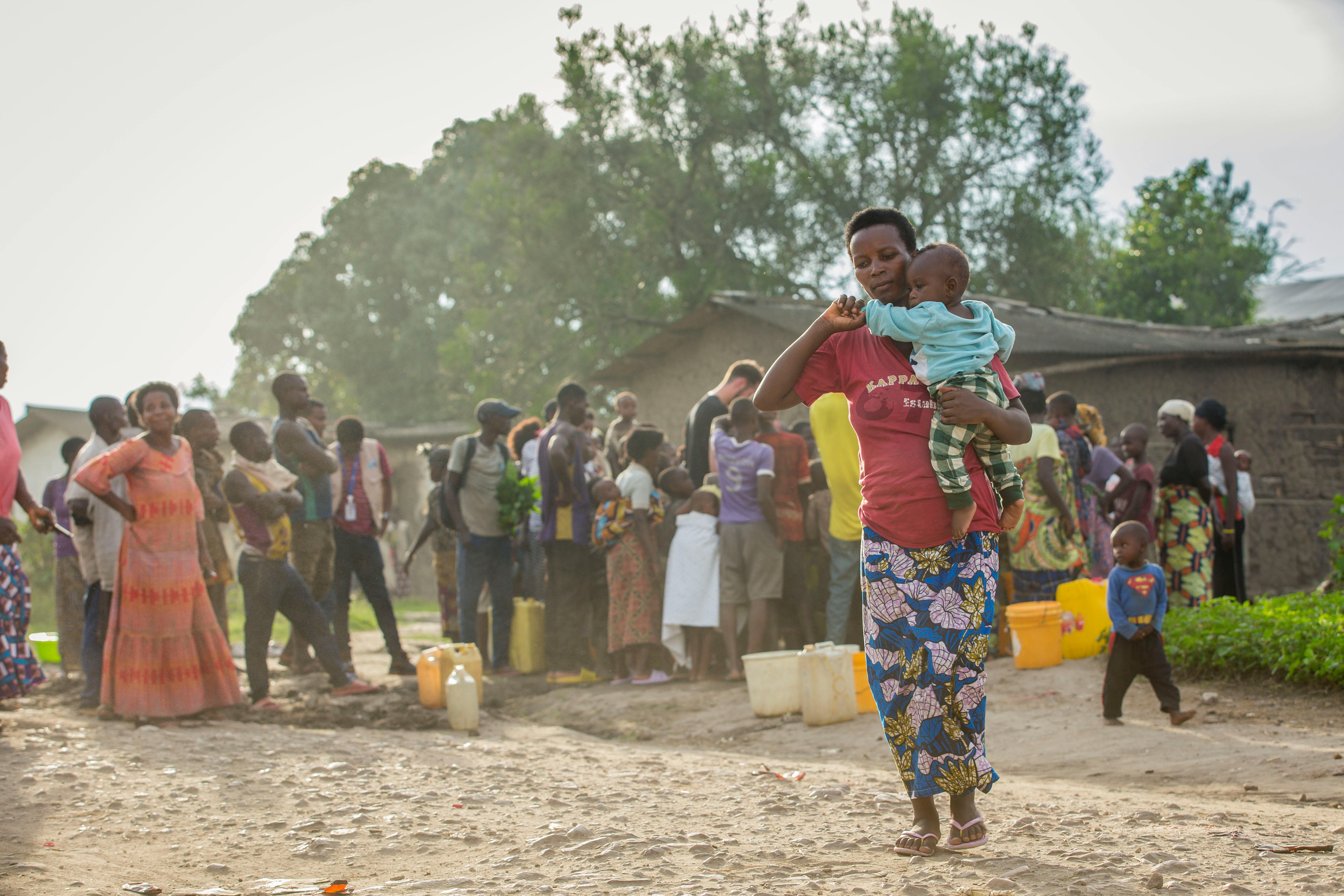
Tetanus spores are found worldwide, including in the UK. Travel vaccination decisions are usually driven less by border lines and more by access to treatment after an injury. A booster is more likely to be discussed for travel to countries where emergency care, wound management or tetanus immunoglobulin may be harder to obtain quickly. This can include parts of South Asia, Southeast Asia, sub-Saharan Africa, Central and South America, and rural areas in many regions. It is particularly relevant for trekking, cycling, long overland travel, volunteering, farming, construction work, or trips involving animals. Short city breaks in places with reliable medical care may not raise the same concern, especially if your UK vaccines are up to date.
Tetanus spores are found worldwide, including in the UK. Travel vaccination decisions are usually driven less by border lines and more by access to treatment after an injury. A booster is more likely to be discussed for travel to countries where emergency care, wound management or tetanus immunoglobulin may be harder to obtain quickly. This can include parts of South Asia, Southeast Asia, sub-Saharan Africa, Central and South America, and rural areas in many regions. It is particularly relevant for trekking, cycling, long overland travel, volunteering, farming, construction work, or trips involving animals. Short city breaks in places with reliable medical care may not raise the same concern, especially if your UK vaccines are up to date.
Tetanus spores are found worldwide, including in the UK. Travel vaccination decisions are usually driven less by border lines and more by access to treatment after an injury. A booster is more likely to be discussed for travel to countries where emergency care, wound management or tetanus immunoglobulin may be harder to obtain quickly. This can include parts of South Asia, Southeast Asia, sub-Saharan Africa, Central and South America, and rural areas in many regions. It is particularly relevant for trekking, cycling, long overland travel, volunteering, farming, construction work, or trips involving animals. Short city breaks in places with reliable medical care may not raise the same concern, especially if your UK vaccines are up to date.
Check your record before the suitcase comes out
If you can find your NHS vaccination record, bring it. If you cannot, we can still talk through what you remember and advise on the safest next step. The clinic is on Myrtle Street, convenient for people coming from Liverpool City Centre and Sefton Park. Book a travel health appointment before you go, or call 0151 7097796 if your departure date is close.
If you can find your NHS vaccination record, bring it. If you cannot, we can still talk through what you remember and advise on the safest next step. The clinic is on Myrtle Street, convenient for people coming from Liverpool City Centre and Sefton Park. Book a travel health appointment before you go, or call 0151 7097796 if your departure date is close.
If you can find your NHS vaccination record, bring it. If you cannot, we can still talk through what you remember and advise on the safest next step. The clinic is on Myrtle Street, convenient for people coming from Liverpool City Centre and Sefton Park. Book a travel health appointment before you go, or call 0151 7097796 if your departure date is close.
FAQ
Frequently Asked Questions
How soon before travel should I get a tetanus booster?
Book as soon as your travel dates are firm, especially if you also need other travel vaccines. A tetanus-containing booster can usually be fitted in relatively close to departure, but leaving time makes it easier to check your records properly and plan any other vaccines you may need.
Do I need a tetanus vaccine if I had all my childhood jabs?
Can children have tetanus travel vaccination?
Is the tetanus vaccine suitable during pregnancy?
I am only going to a resort. Do I still need tetanus cover?
How soon before travel should I get a tetanus booster?
Book as soon as your travel dates are firm, especially if you also need other travel vaccines. A tetanus-containing booster can usually be fitted in relatively close to departure, but leaving time makes it easier to check your records properly and plan any other vaccines you may need.
Do I need a tetanus vaccine if I had all my childhood jabs?
Can children have tetanus travel vaccination?
Is the tetanus vaccine suitable during pregnancy?
I am only going to a resort. Do I still need tetanus cover?
Liverpool Clinic
Liverpool's Leading Travel Vaccination Pharmacy.
37 Myrtle Street
Liverpool
L7 7AJ
0151 542 5420
Vaccines
Location - Opening Hours
• Monday - Friday 9am to 6pm Saturday 9am - 12pm
2026 Liverpool Clinic
Cookie Settings
Liverpool Clinic
Liverpool's Leading Travel Vaccination Pharmacy.
37 Myrtle Street
Liverpool
L7 7AJ
0151 542 5420
Vaccines
Location - Opening Hours
• Monday - Friday 9am to 6pm Saturday 9am - 12pm
2026 Liverpool Clinic
Cookie Settings
Liverpool Clinic
Liverpool's Leading Travel Vaccination Pharmacy.
37 Myrtle Street
Liverpool
L7 7AJ
0151 542 5420
Vaccines
Location - Opening Hours
• Monday - Friday 9am to 6pm Saturday 9am - 12pm
2026 Liverpool Clinic
Cookie Settings
